
Script projects
Writing systems we work to document, teach, and bring onto digital devices.
Dholuo and the Luo Lakeside Script
Nilotic languages in Kenya and East Africa
The Luo of Kenya are a Nilotic ethnic group and the fourth-largest community in Kenya (about 10.6%, or over 5 million people), primarily residing in the Lake Victoria basin of Western Kenya.
Origins
Between 2009 and 2012, Kefa Ombewa and Paul Sidandi created the Luo Lakeside Script to write Luo languages. Written left to right, it captures the tonal structure of Dholuo more accurately than the Latin alphabet.
Unicode
Digitization of the Luo Lakeside Script is imminent, with implementation of an accepted Unicode proposal anticipated in 2027.
Try it yourself
The number one thing we can do to preserve scripts is actively use them. Until Unicode adoption, anyone curious to try the script can use the keyboard available through Keyman. If you care about projects like this and want to see languages like Dholuo represented on the web, in media, or in AI systems, consider reaching out.
Dholuo in action
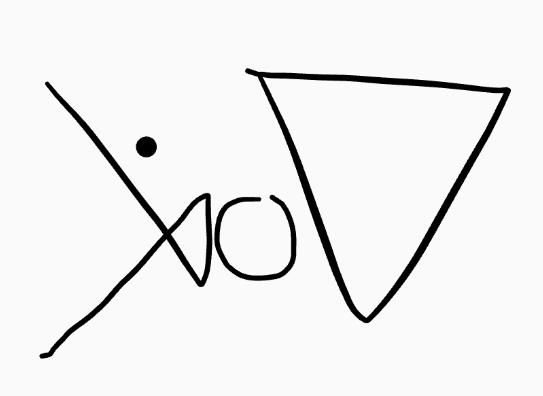
Illustrations showing the Dholuo language and Luo Lakeside Script in action, capturing the tongue-in-cheek, idiomatic qualities of Dholuo while demonstrating how the script can function visually and digitally.
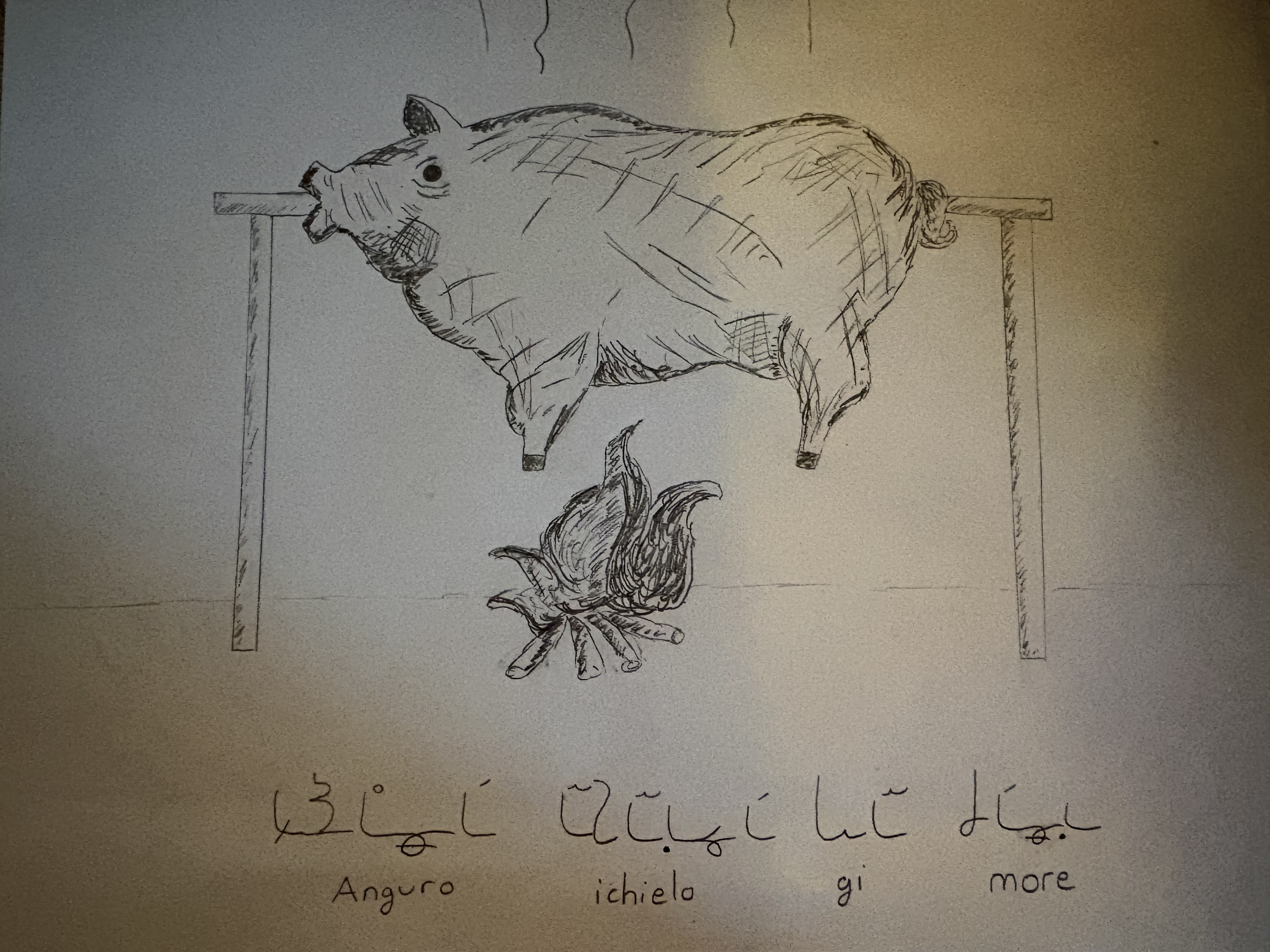
“Anguro ichielo gi more”
A pig is fried in its own fat.
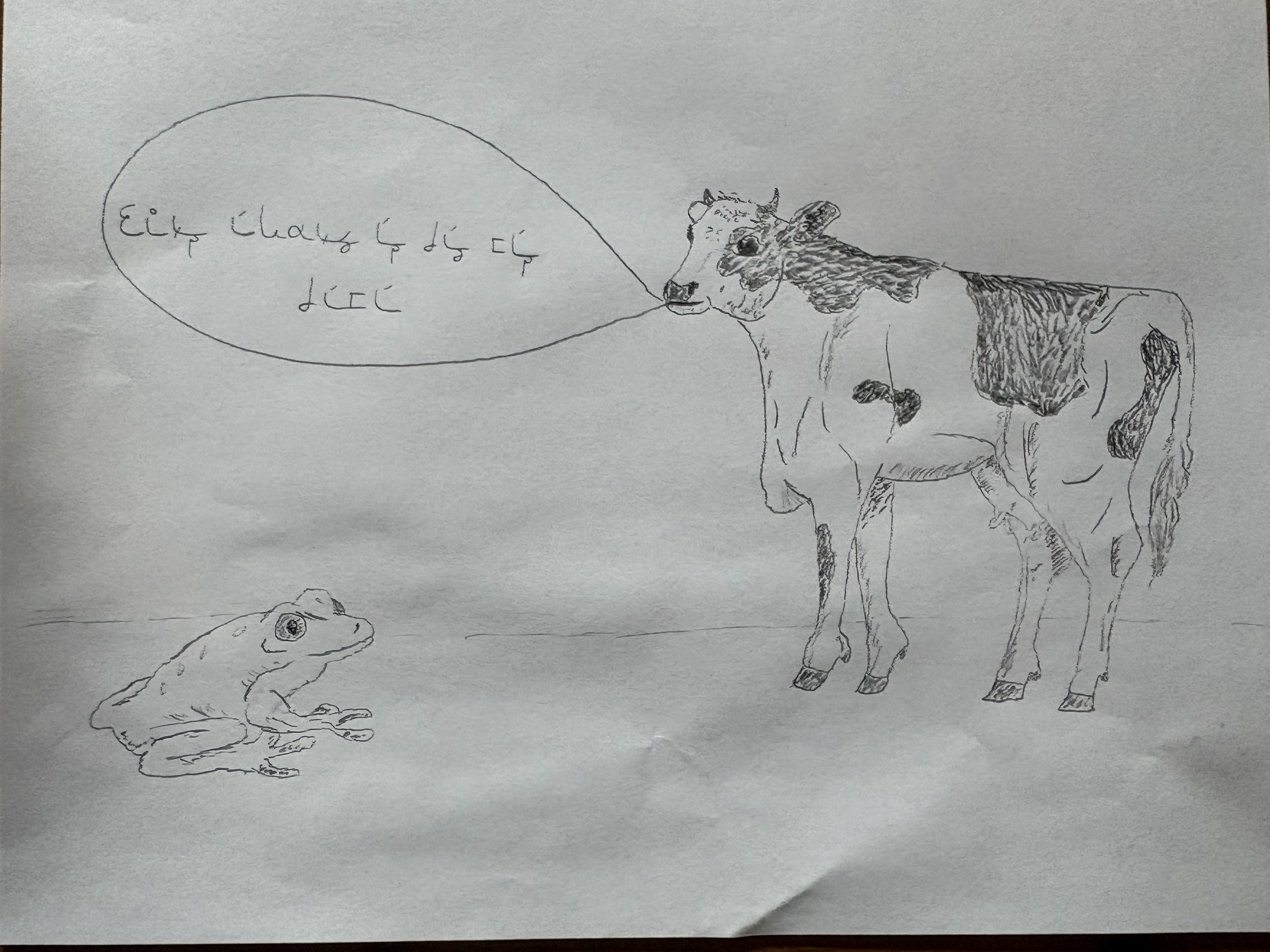
“Yuak ogwal ok mon dhok modho”
The croak of a frog doesn’t prevent cattle from drinking.
People behind the work

Michael Nyawino
Executive Director, Christian Community Healthcare Foundation–Kenya (COHECF-Kenya)
A native Dholuo speaker, Michael was instrumental in the Binary Tree Language Initiative’s early successes teaching in Kenya and is deeply involved in our current language preservation work.
He has devoted his life to equal access to education and healthcare, a pillar of the communities we’ve touched.
Ditema Tsa Dinoko
Southern Bantu languages in South Africa and Lesotho, also known as isiBheqe soHlamvu
A script for the Southern Bantu language family, including isiZulu, isiXhosa, Sesotho, Setswana, and many other languages. Developed collaboratively between 2010 and 2016 by a network of South African linguists.
One of the boldest projects in modern linguistics
Ditema Tsa Dinoko was created by a collaborative network of South African linguists over six years. It emerged from collective effort, which is fitting for a writing system meant to serve an entire family of languages and cultures.
Syllabic structure
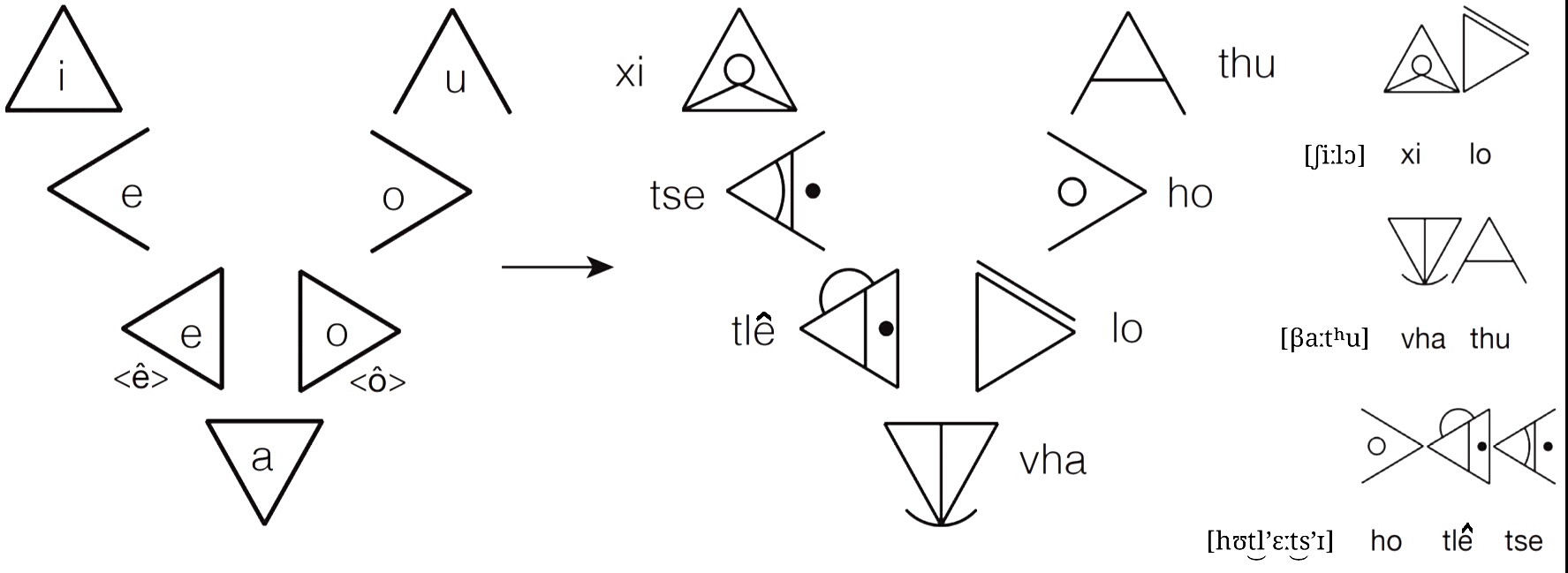
The script draws structural inspiration from Asian syllabic systems, particularly Hangul and Hiragana, adapting their logic of composing syllable blocks to fit the phonological patterns of Southern Bantu languages.
Wall painting
The visual character of the script is rooted in the decorative geometric wall painting traditions historically practiced by Basotho women in Lesotho and South Africa.
Symbol and bead
Further influence comes from the amabheqe beaded love messages of the Zulu people and the ukugwala murals of the Ndebele.
The script in use
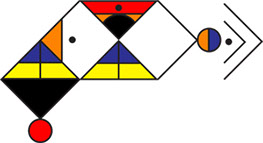
Ditema in action
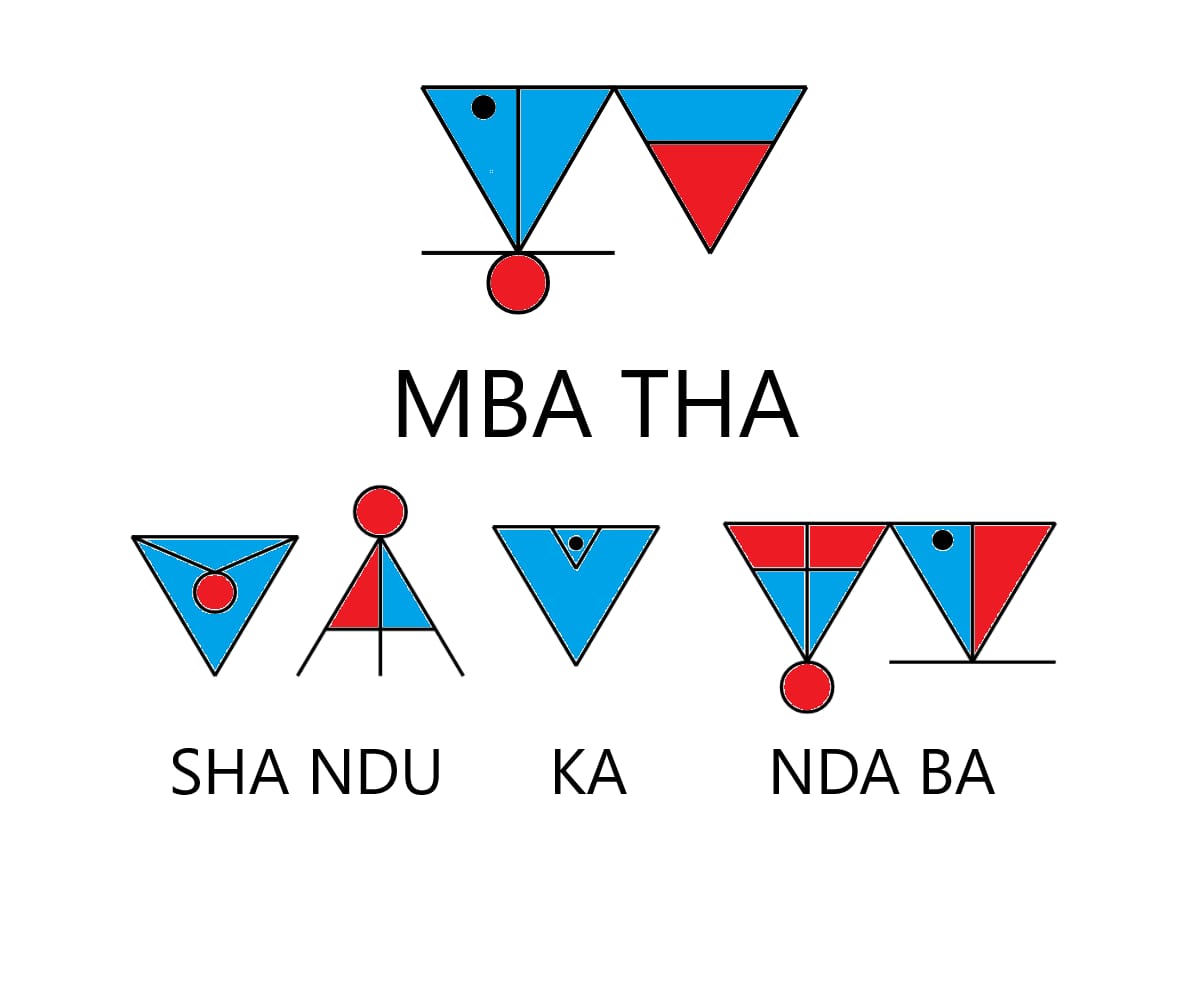
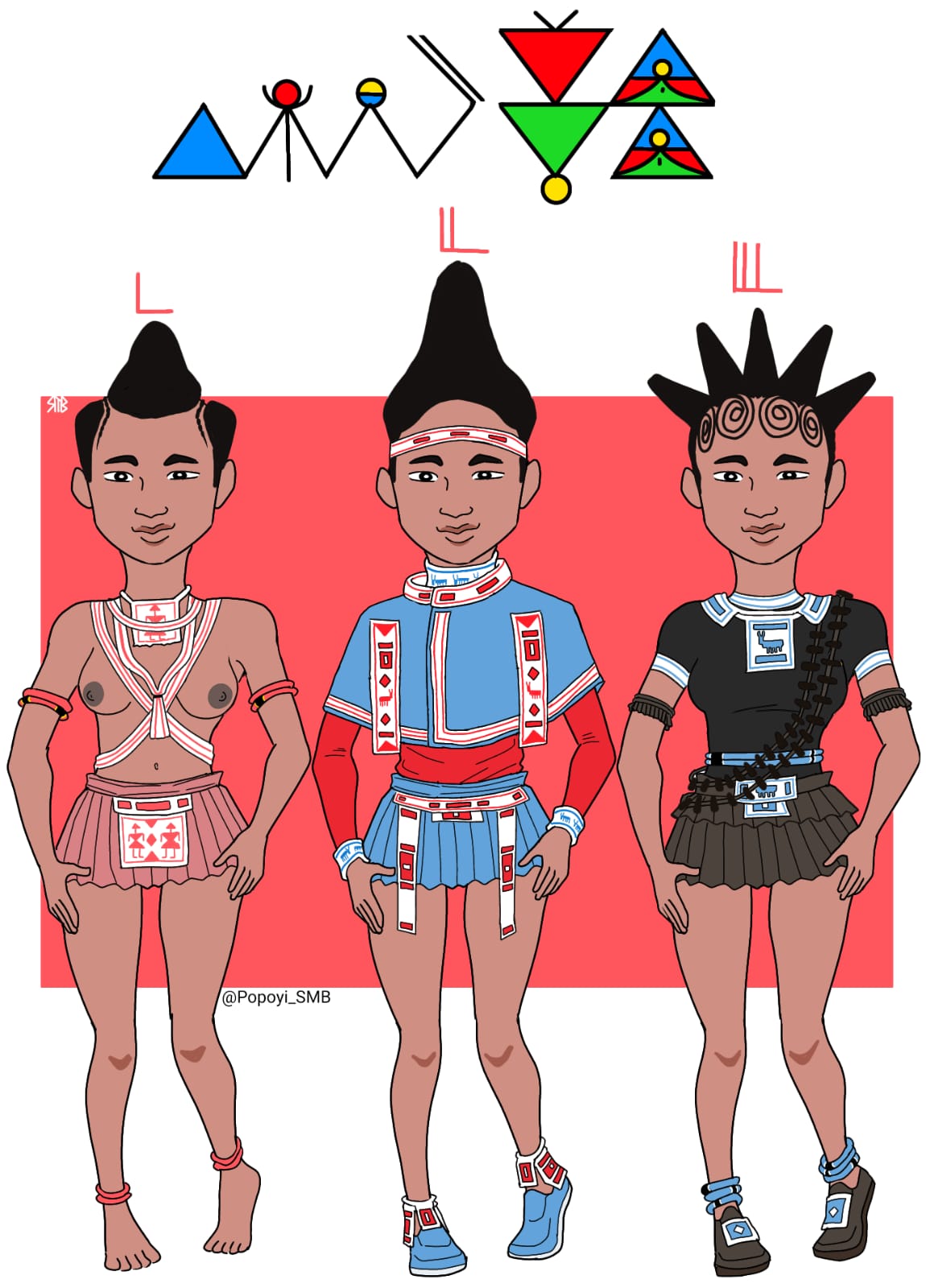
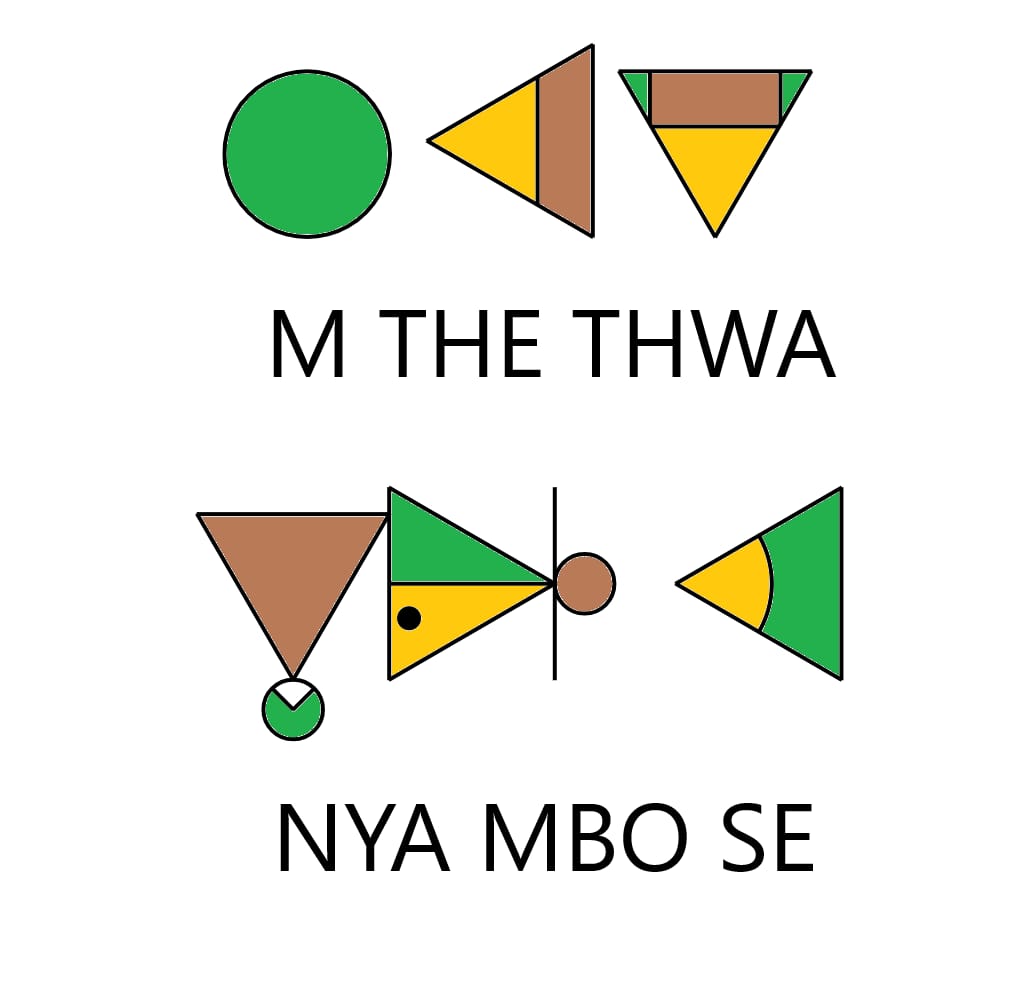
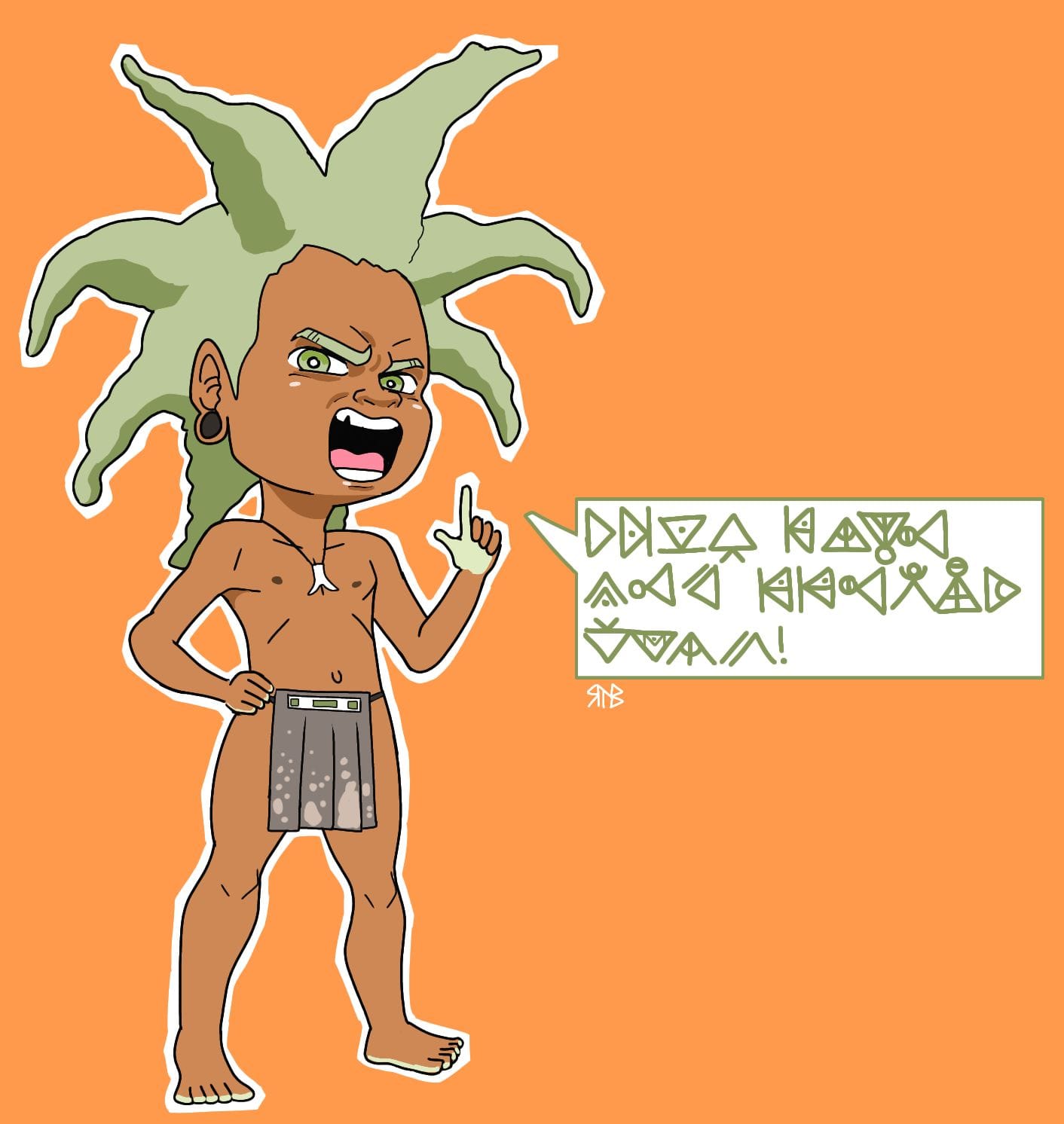
Examples of Ditema Tsa Dinoko as used and shared by the communities it belongs to.

Scroll sideways to see more.